


There will be 16 state-of-the-art Stadia used for the 2026 FIFA World Cup in the United States, Mexico and Canada, some steeped in history and tradition, and others new builds.
CANADA
BC PLACE (VANCOUVER)
Capacity: 48 821
BC Place is a downtown stadium featuring a retractable roof added during a major overhaul. Opened in 1983, it staged marquee matches at the 2015 FIFA Women’s World Cup, including the final. The venue is home to Vancouver Whitecaps and the BC Lions and it’s flexible “event mode” layouts allow rapid transitions between football, concerts, and other shows.
BMO FIELD (TORONTO)
Capacity: 44 315
Opened in 2007 at Exhibition Place, BMO Field is best known as the home of Toronto FC. It has also hosted Canada internationals and major rugby fixtures. The venue has been expanded and upgraded over time, including pitch and seating improvements to meet big-event requirements. Its lakeside location and steep stands create an intimate and intense strong atmosphere for football.
MEXICO
GUADALAJARA STADIUM (ESTADIO AKRON)
CAPACITY: 44 330
Estadio Akron is the modern home of Chivas Guadalajara in Zapopan, designed as a football-first venue with a clean bowl and excellent sightlines. Opened in 2010, it has already hosted major international events, including 2011 FIFA U-17 World Cup matches. The stadium has carried different commercial names over the years but remains one of Mexico’s elite grounds.
MEXICO CITY STADIUM (ESTADIO AZTECA/ESTADIO BANORTE)
CAPACITY: 72 766
This is one of world football’s most iconic venues and is set to become the first stadium to host men’s World Cup matches at three tournaments. It famously staged the 1970 and 1986 finals and remains a major home for big Mexico matches. Opened in 1966, its high altitude is also a defining factor in the matchday experience.
MONTERREY STADIUM (ESTADIO BBVA)
CAPACITY: 50 113
Estadio BBVA is home to C.F. Monterrey and is known for its striking architecture and mountain backdrop. It has quickly become a showpiece venue in Mexico, hosting high-profile club and international fixtures. Opened in 2015, it was built for modern broadcast and hospitality standards, it is well-suited to FIFA tournament operations, with wide concourses and a contemporary match presentation feel.
UNITED STATES
ATLANTA STADIUM (MERCEDES-BENZ STADIUM)
Capacity: 67 382
This downtown venue features a retractable roof and a distinctive oculus-style video board. Home to the NFL’s Falcons and MLS’s Atlanta United, the stadium is built for rapid reconfiguration between sports. Opened in 2017, it is renowned for spectacle, premium spaces, and routinely draws huge football crowds.
KANSAS CITY STADIUM (GEHA FIELD AT ARROWHEAD STADIUM)
CAPACITY: 67 513
Long-time home of the Kansas City Chiefs, Arrowhead is legendary for crowd noise and atmosphere. Opened in 1972, it has been modernised through major renovation phases and remains an elite event venue. For the World Cup, it will be adapted to FIFA pitch and operational standards while keeping its famed intensity intact.
HOUSTON STADIUM (NRG STADIUM)
CAPACITY: 68 311
Opened in 2002, NRG was the NFL’s first retractable-roof football stadium and is part of the larger NRG Park campus, which supports large fan zones and event overlays. It hosts the Houston Texans and major annual events like rodeo week, proving its ability to handle large footfall operations. The roofed design is a key asset for summer scheduling and protection from the elements.
DALLAS STADIUM (AT&T STADIUM, ARLINGTON)
CAPACITY: 70 122
Opened in 2009, AT&T Stadium is a colossal, retractable-roof arena built for the biggest occasions, with enormous internal video displays and world-class hospitality. Home of the Dallas Cowboys, it regularly stages major boxing, college football and global exhibition matches. Its scale and infrastructure make it one of the tournament’s most logistically capable venues for media and fans.
SEATTLE STADIUM (LUMEN FIELD)
CAPACITY: 65 123
Lumen Field, which hosts the Seahawks and Sounders, is famed for its steep stands and crowd volume. It has an established track record with high-level football, including major international matches, and the stadium’s urban location supports walk-up energy and strong transit links. Tournament overlays (including pitch requirements) are familiar territory here, thanks to frequent event conversions. It opened in 2002.
PHILADELPHIA STADIUM (LINCOLN FINANCIAL FIELD)
CAPACITY: 65 827
“The Linc” sits in South Philadelphia’s sports complex and is known for intense crowds. Home of the Eagles, it has also staged major international football and concerts. A modern bowl and continual upgrades help it meet tournament requirements. Its location also offers strong transport and event infrastructure around match days, including large-scale crowd management experience. It opened in 2003.
BOSTON STADIUM (GILLETTE STADIUM, FOXBOROUGH)
CAPACITY: 63 815
Home to the New England Patriots and New England Revolution, the venue has long hosted international football and mega concerts. Opened in 2002, the stadium sits within a larger entertainment district at Patriot Place, making it a ready-made tournament hub. Its bowl design has been refined through upgrades to improve fan comfort and modern event operations.
LOS ANGELES STADIUM (SOFI STADIUM, INGLEWOOD)
CAPACITY: 69 650
SoFi is a next-generation venue with a translucent ETFE canopy roof and the massive dual-sided “Infinity Screen.” It is home to the Rams and Chargers and has already hosted global-scale events. Opened in 2020, it will undergo football-specific modifications (including pitch requirements), reinforcing its reputation as an adaptable mega-stadium built for world audiences.
MIAMI STADIUM (HARD ROCK STADIUM, MIAMI GARDENS)
CAPACITY: 64 091
Hard Rock is one of the most versatile stadiums in the US, hosting the Dolphins, major college football, global concerts, and even the Miami Open tennis complex within its broader site. Opened in 1987, its frequent reinventions and upgrades have kept it current for modern broadcast and hospitality needs, while its location supports a major festival-style matchday footprint.
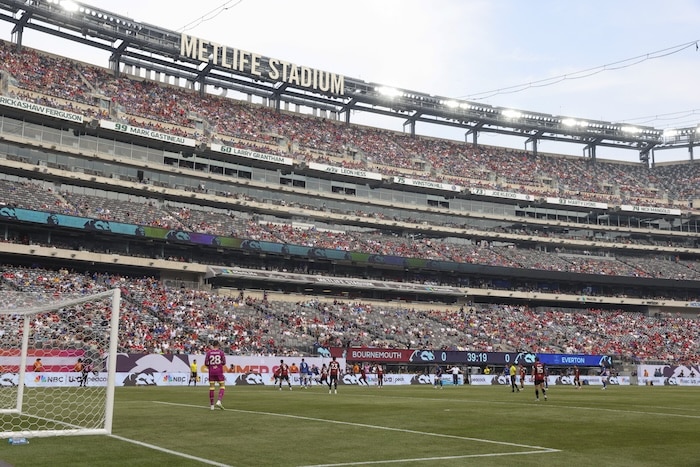
NEW YORK NEW JERSEY STADIUM (METLIFE STADIUM, EAST RUTHERFORD)
CAPACITY: 78 576 48
MetLife is the shared home of the NFL’s Giants and Jets and is built for massive crowds and global events. Opened in 2010, it draws major international football crowds and is set to be the tournament’s showpiece stadium in the region, with a large footprint for media, security and hospitality overlays. Its scale makes it ideal for showcasing knockout matches.
SAN FRANCISCO BAY AREA STADIUM (LEVI’S STADIUM, SANTA CLARA)
CAPACITY: 69 391
Opened in 2014 in Silicon Valley, Levi’s is home to the 49ers and is a regular host of major sports and entertainment events. Designed with modern premium spaces and tournament-grade operations in mind, it has already handled huge global audiences. Its setting and infrastructure make it a natural hub for a World Cup fan base from across the Bay Area.