

Bafana Bafana have chosen the high-altitude base of Pachuca in Mexico to train during the 2026 FIFA World Cup, writes Nick Said.
When South Africa run out at the iconic Azteca Stadium on 11 June to face co-hosts Mexico in the opening match of the 2026 World Cup, they will do so armed with careful preparation by coach Hugo Broos and a deliberate embrace of altitude.
Bafana Bafana have chosen the Mexican city of Pachuca as their tournament base, a decision rooted in both science and experience.
Situated 2 432 metres above sea level, significantly higher than Johannesburg’s 1 753 metres, Pachuca offers the ideal conditions to acclimatise for their Mexico City opener, while avoiding the searing summer heat expected in many other North American venues.
For Broos, it was an easy decision as he drew on his experience as a player for Belgium at the 1986 World Cup in Mexico.
“Once we knew the composition of the group, I felt the game against Mexico had to be a special one for us, not because it’s Mexico, but because of the altitude,” Broos explained during a visit to inspect the facilities.
Broos featured for Belgium 40 years ago in Mexico and understands the physical demands of playing at elevation.
This time, he was determined to leave nothing to chance.
Rather than flying in a few days before the match, Bafana will arrive early, potentially as soon as 31 May, but certainly by 1 June, to allow roughly 10 days to adapt not only to the thinner air but also to the eight-hour time difference from South Africa.
“We need a proper high-altitude camp,” Broos said. “We had to be in Mexico early and start the altitude camp, not travel in from somewhere else just a few days before the first match.”
SAFA have secured the Universidad del Futbol in Pachuca as their training base.
The football and sports science academy is aligned with Liga MX side CF Pachuca, founded in 1892 and recognised as Mexico’s oldest professional club, and boasts an extensive campus of training pitches and performance facilities.
Broos was impressed with what he saw.
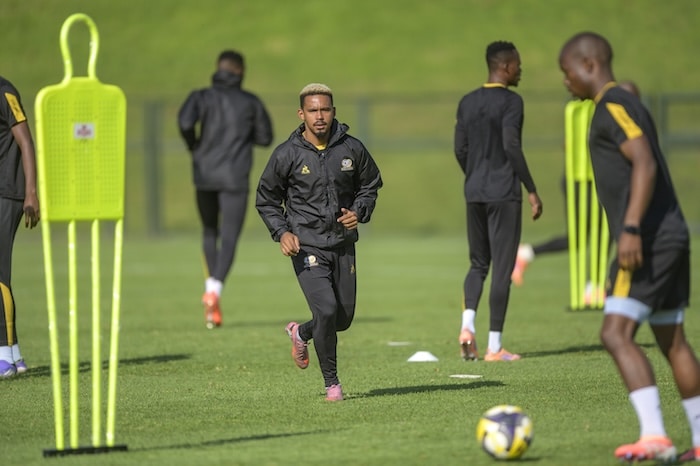
“Two good pitches, a fitness room, medical facilities, everything we need to have a very good preparation,” he noted.
“I’m very happy we found something that suits us so well.” The squad will stay at the fivestar Camino Real Pachuca, set amid gardens and forested surroundings just five kilometres from the city centre.
Pachuca itself is the capital of the state of Hidalgo and lies approximately 90 kilometres north of Mexico City via Federal Highway 85, ensuring straightforward travel to the Azteca for the tournament curtain-raiser.
The city’s temperate June climate, with average daily temperatures around 22° Celsius, is another bonus, providing a cooler environment compared to many other host centres across the United States, Mexico and Canada.
After facing Mexico in Mexico City, Bafana will travel to Atlanta in the United States for their second Group A match on 18 June against a European qualifier that at the time of writing still had to be confirmed.
The journey from Pachuca to Atlanta is around three hours by air.
Their final group game on 24 June brings them back to Mexico, this time to Guadalupe in the Monterrey metropolitan area, where they will meet South Korea.
Monterrey is roughly a 90-minute flight from Pachuca.
The logistical plan keeps disruption to a minimum, with the team returning to their altitude base between matches whenever possible.
The 2026 finals mark South Africa’s return to the World Cup for the first time since they hosted the tournament in 2010. It will be their fourth appearance overall, following previous first-round exits in 1998, 2002 and 2010.